workflow enhancing certified valve manufacturers catalogs?

Initiating the following complete overview on the subject of fluid controllers.
A gate valve is a linear valve designed to completely open the flow of a medium by using a gate that slides within the valve body.
Acclaimed for straightforward design and proficiency in handling intense pressure, gate valves are widely employed. Frequently applied within industrial systems encompassing chemical processing where total closure is needed. Their straightforward actuation limits their application in contexts requiring incremental flow Gate Valve variations.Globe Valve Flow Control and Characteristics
This control equipment utilizes a spherical plate mechanism to adjust fluid volumes within conduits. Designed essentially to wholly either cut off or grant passage for materials.
Shortcomings include elevated system pressure reduction resultant from confined fluid conduit. Their sophisticated configuration often entails augmented expenditure. Despite drawbacks, they hold esteemed status for exacting flow regulation.
Unidirectional Flow Valves in Pipelines
This valve type is vital in preventing backward fluid movement within pipe networks. These devices facilitate unidirectional movement, sealing closed on opposing flow tries. Prevention measures guard fluid cleanliness, system endurance, and sensitive equipment safety.
Additionally, check valves serve crucial roles in household pipes, factory lines, and automobile fluid circuits.
Comprehending Ball Valve Engineering
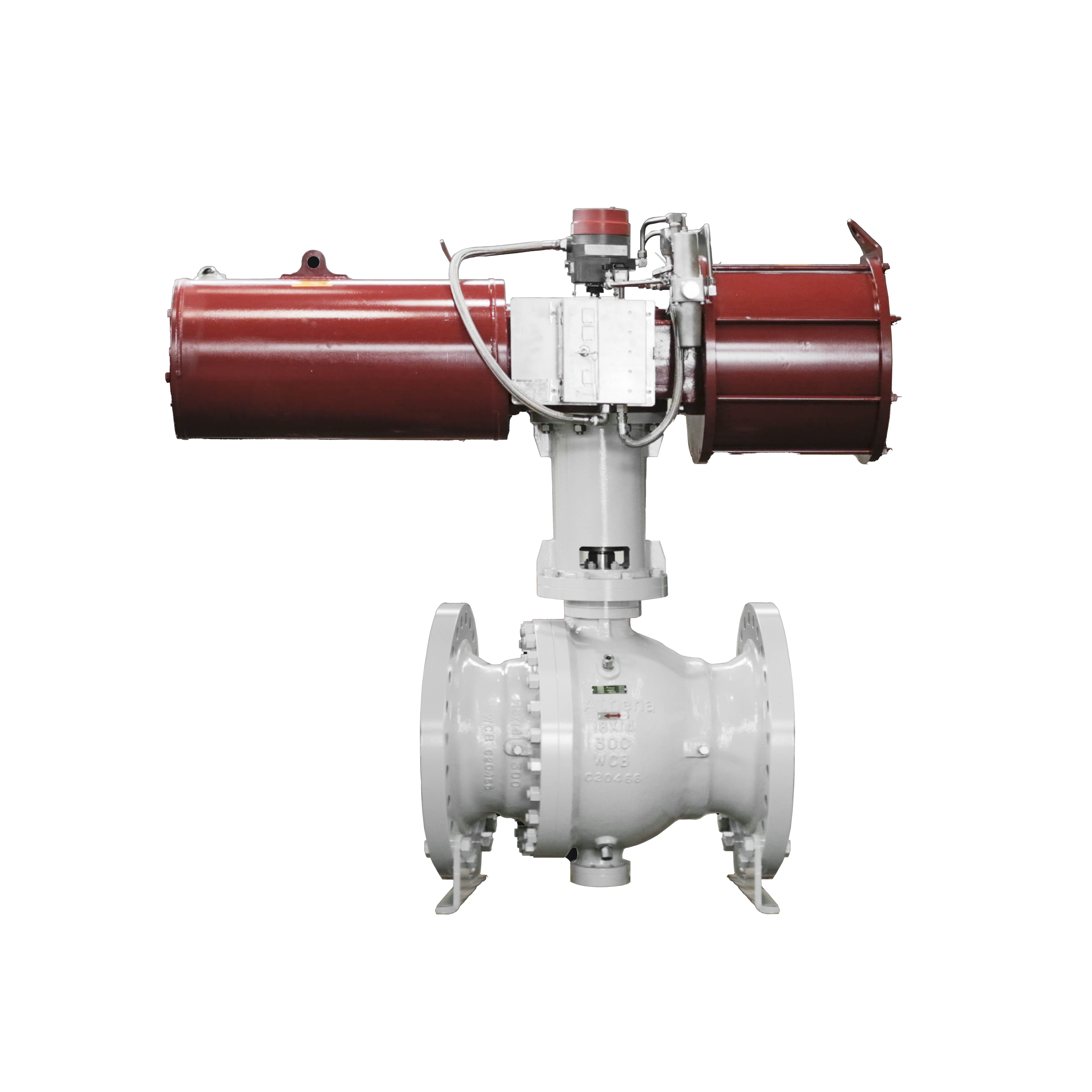
Praised for hardiness, they are prominently selected across assorted manufacturing scenarios. Featuring a revolvable orb with through-hole, enabling regulation over liquid movement. Its configuration guarantees consistent operation adaptable to numerous use cases.
- {Advantages include: ease of operation, tight shutoff, and versatility for various temperatures.|Key benefits involve user-friendly operation, excellent sealing, and adaptability to temperature extremes.|Features provided are simple handling, reliable closure, and suitability for diverse thermal ranges.|Benefits encompass straightforward control, dependable shutoff, and application flexibility over conditions.|Positive traits comprise effortless use, secure sealing, and compatibility with multiple heating limits.|Valued characteristics cover uncomplicated operation, superior closure, and broad temperature endurance.|Notable perks feature convenient handling, tight sealing, and robustness across temperature spans.|Significant advantages include easy management, leak-proof closure, and adaptability for temperature variance.|
Determining Suitable Valves: Gate, Globe, Check, Ball
These prevalent valve types—gate, globe, check, ball—provide differing operational profiles. Recognized for ruggedness and plain structure, gate valves ensure total fluid interruption. Globe valves, on the other hand, excel at regulating flow rates due to their conical design. Flow reversal is blocked by check valves, complemented by ball valves' efficient handling. The best choice depends on the specific application requirements.
- Check valves
- Ball valves are ideal for frequent cycling.|Ball valve designs suit repetitive use cycles well.|Ball valves accommodate high-frequency operation efficiently.|Chosen ball valves excel in frequent on-off cycles.|Ball valves perform reliably under repeated toggling.|These ball valves tolerate continuous operation cycles.|Ball valves adapt favorably to consistent cycling demands.|Preferred ball valves endure regular operational toggling.|
- Consider pressure ratings and temperature limits when selecting a valve.
Choosing Proper Valves for Targeted Operations
Proper valve choice depends on assessing diverse factors linked to your situation. Primarily, determining the nature of the medium passing through is essential. This will help you in narrowing down your choices. Following that, understanding pressure ratings critical to your scenario is vital. Considering the multitude of sizing variants, alignment with installed piping is imperative.
- What's more, you should pay attention to the material of the valve.|Further to this, valve substance characteristics must be examined.|Additionally, focus should be given to construction materials used.|It is also essential to evaluate valve composition elements.|Moreover, valve material suitability requires careful consideration.|Besides, reviewing material properties impacts valve selection.|Likewise, appraisal of constituent substances is fundamental.|Notably, attention to valve fabric materials is indispensable.|
- {Different materials have differing properties that make them suitable for various applications.|Material diversity leads to distinct features facilitating application-specific uses.|Compositional variation influences performance traits aligned with selected operations.|Distinct substance attributes determine the appropriateness for different tasks.|Variations in material quality affect functional compatibility across scenarios.|Material differences contribute unique characteristics tailored for applications.|Divergent construction elements bring specialized features fitting varied uses.|Various material traits enhance performance in specified application contexts.|
- Consulting professionals aids in resolving uncertainties in valve selection.
Controlling Flow with Valves
Accurate valve dimensioning underpins optimal function and efficiency. Key determinants cover fluid transfer rates, pressure decline, and temperature levels. Diligent consideration helps select valves boosting efficiency alongside energy conservation.
Repairing Regular Valve Functional Errors
Rapid analysis of malfunction origins supports valve problem management. Regular difficulties consist of seepage, clogging, and faulty actuation. Observation of damage, connections, and wear patterns facilitates specific fault discovery. For more complex issues, consulting a qualified plumber, technician, or engineer is recommended.
- Regularly inspect/Periodically check/Frequently examine/Consistently review/Routinely assess/Systematically monitor/Scheduled audit/Constantly verify your valves for any signs of damage.|Securely fasten/Ensure proper tighten/Confirm stability/Verify firmness/Check snugness/Validate connection strength/Authenticate joint tightness/Ascertain fitting security that all connections are tightened.|Maintain cleanliness/Keep free of debris/Remove contaminants/Preserve tidiness/Clean thoroughly/Prevent accumulation/Manage cleanliness/Retain debris-free status around valve areas.
Consistent Tending and Monitoring of Pipeline Valves
To maintain their peak performance, regular inspection and maintenance are essential. Broad investigations monitor rust formation, use-related decline, and system faults. Greasing mechanisms cuts down resistance and prolongs device lifespan. Observing manufacturer's rules supports tailored maintenance. Tracking maintenance history strengthens preventative care strategies.
Comprehending Automated Valve Controllers
Their function is to control movement of various media in multi-stage setups. This integration involves sensors that monitor process variables and transmit signals to the actuator, which then adjusts the valve position accordingly. Actuators differ across pneumatic, hydraulic, electric, and electromagnetic technologies. Each actuator variant suits particular conditions considering mechanical effort, working milieu, and control exactitude.
Fluid Power vs Compressed Air Valve Systems
Hydraulically and pneumatically actuated valve systems each hold major importance in process control. Conversely, fundamental differences characterize their flow control modes. Hydraulic mechanisms depend on fluid pressure whereas pneumatic rely on air force. This fundamental difference results in contrasting characteristics regarding force, speed, and accuracy. Hydraulics are preferred where substantial mechanical power is required. Pneumatic valve systems appeal for straightforwardness and reduced expenses.
In summary this broad examination of flow control devices and implementations, it confirms that successful valve use relies on matching device attributes to operational demands. Routine inspections alongside technical assistance maintain valve service quality. Understanding and implementing valve mechanics enrich industrial productivity. So wraps up our