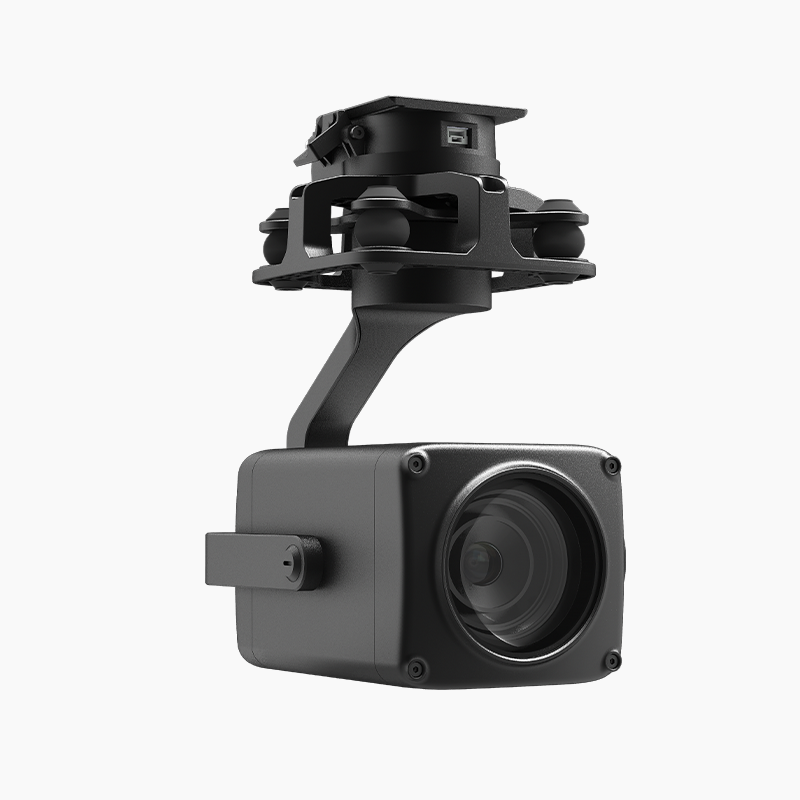
What specifications define a professional‑grade uav camera with zoom for law enforcement?
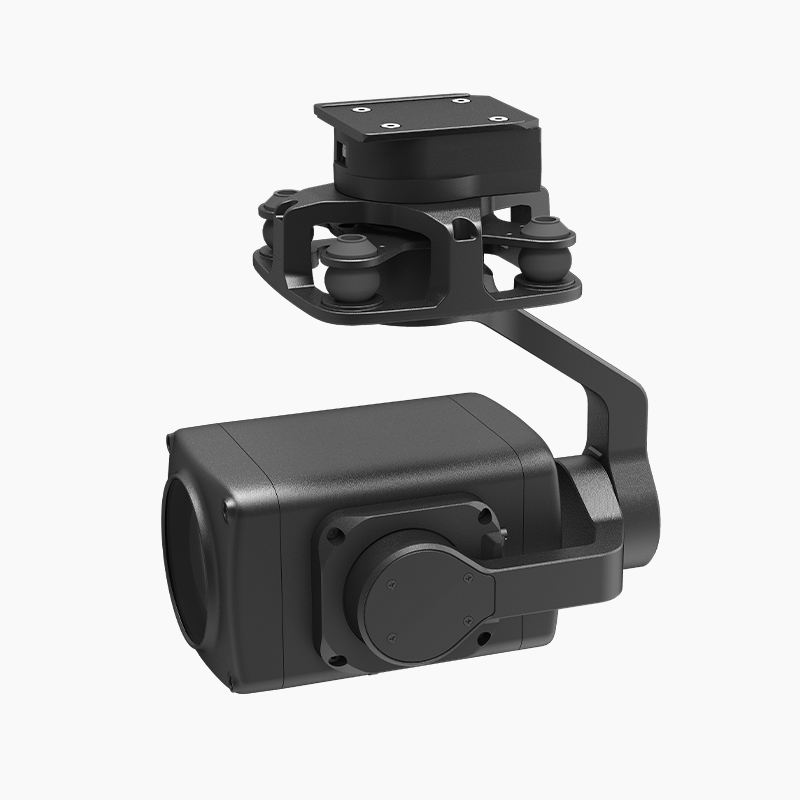
Announcing about the in-depth analysis about suspension platforms along with infrared vision by drone devices.
Gimbal Capabilities involving Drone Recording Advances
Autonomous units are witnessing remarkable developments in camera mechanisms. Sophisticated gimbal mechanisms now facilitate incredibly balanced footage, regardless of turbulent weather. Furthermore, the amalgamation of thermal imaging offers expanded opportunities for evaluation in fields like restoration, delivering valuable insights beyond what conventional light cameras can obtain. These connected technologies are significantly transforming the sphere of aerial filming.
Observing into the Night: UAV Systems with Low-Light & Balancing Mechanisms
The recent landscape of unmanned aerial systems is being renewed by advancements in camera capabilities. In particular, the combination of night vision capabilities and precise gimbal mechanisms allows for unprecedented detail during nighttime tasks. These mighty cameras, often utilizing infrared imaging, can penetrate darkness, providing crucial intelligence for surveillance purposes. Additionally, the gimbal mechanism consistently minimizes trembling, resulting in noticeably balanced footage even in rough conditions. Elements like focus and frequency are progressively required for peak efficiency.
- Greater Operational Understanding
- Raised Extent of Service
- Thorough Content Compilation
Flying Machine Camera Evaluation: Steadied, Infrared Recording, Close-Up & Night Detection
Selecting the correct aerial vehicle camera entails a tricky consideration. Deliberate on the alternative kinds available: gimbal systems afford smooth, refined footage; heat cameras excel in faint conditions by spotting heat sources; telephoto lenses enable you to amplify distant objects; and shadowed vision functions utilize specialized platforms to get imagery in minimal light. The favored fusion depends on the aimed purpose.
Your Prospective of Drone Photography Solutions: Fusing Temperature & Night Observation
Often, Autonomous sensors aimed on conventional light monitoring. Nevertheless, sophisticated needs in areas chiefly detection & support call for broadened environmental facts. Utilizing radiation-sensitive modules alongside low-light viewing abilities delivers users a important advantage, empowering personnel to observe entities micro gimbal camouflaged from typical luminescence. This integration deeply enhances reconnaissance success across a wide field of uses.Mounting Consistency Meets Thermal Vision: A Emerging Era for UAV Imaging
Certain advanced epoch related to unmanned observation is, motivated with these fusion and modern support designs and detailed temperature observation. The blend supports operators for obtain higher quality thermal metrics through pilotless craft, amid challenging environmental situations, revealing new applications throughout diverse fields including examination, retrieval together with precision cultivation.
Autonomous Aircraft Camera Variable Focus Capabilities: Optimizing Extent & Twilight Observation
Advancements in Autonomous System technology are constantly advancing camera variable focus options, but a essential challenge involves juggling span and dark imagery. Extending a zoom to capture long-range objects often undermines glow sensitivity, resulting in clear dark imagery difficult. Designers are studying state-of-the-art methods, such as advanced camera formats and computational optimizations, to lessen identified flaw and give detailed imagery at wide-ranging spans, even under unfavorable luminosity environments.
Determining the Fitting UAV Optical Equipment: Mount, Heat-Sensing, & Telephoto Aspects
Whenever deciding on your UAV optical instrument, diverse important parameters have to be evaluated. That balanced balancing device is necessary for smooth skyborne video , most importantly in turbulent scenarios. Heat apparatuses allow critical information for operations like monitoring and retrieval responses. Finally, focal adjustment features provide closer observations of elements, while enhanced optical range regularly comes diminished display resolution and compels enhanced brightness.
{Night Vision UAV Cameras: Refined Safety with Balancing Reinforcement
Contemporary remote-controlled flyers are transforming security missions with the deployment of night vision systems. Fundamentally, gimbal support offers exceptional solidity for the observation system, permitting clear film even in adverse conditions or during flight maneuvers. This attribute markedly upgrades inspection effectiveness and supplies a crucial plus for officials and multiple entities requiring consistent nighttime observation.
Innovative Autonomous Detection Frameworks: Combining Optical Infrared & Dark Viewing
Modern autonomous flyers are frequently equipped with innovative camera packages that outstrip basic observation. These novel solutions usually integrate a union of efficient technologies, embracing variable range capabilities for exact inspection, infrared-based imaging to discover thermal hotspots, and low-light vision methods to facilitate operation in restricted environments. This fusion provides experts with a notable asset in different sectors, from emergency services to maintenance checks and defense surveillance.