precision cured polymer films rapid-setting acidic sealing compound?
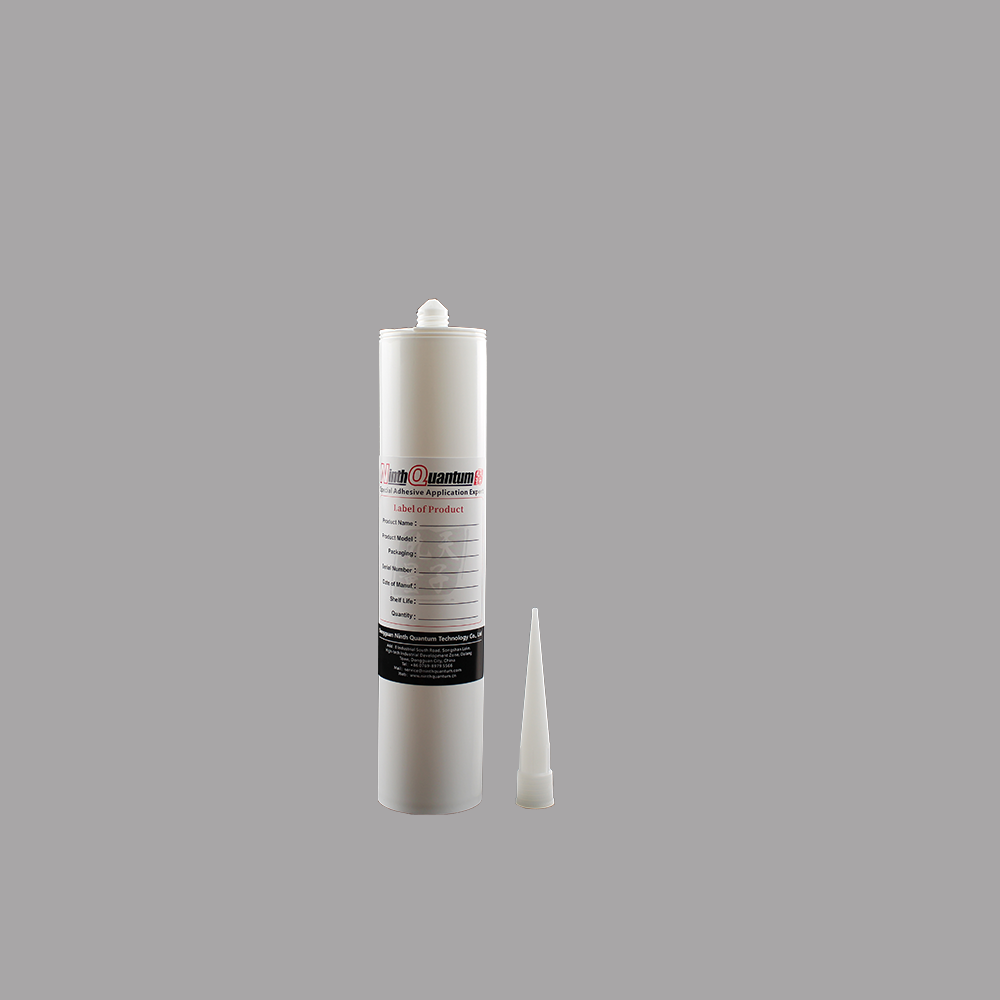
In the tough territory of circuit box safeguarding, acidic sealants have become a favored remedy on account of distinguished attachment traits and survival under tough conditions. These formulations create reliable barricades against dampness, decay, and foreign substances. Correspondingly, their consistence with varied underlying elements furthers their employment spectrum.
- Nonetheless
- challenges endure
- concerning acidic sealing agents.
Such complications involve risk to electronic substrates and issues tied to material steadiness through operation. Intensive innovation and trials strive to overcome these issues and improve acidic sealants’ efficiency and applicability within electronic frameworks
Next-gen thermally efficient films transforming heat management solutions
Within the swiftly advancing electronic industries, dissipating excess heat has gained critical focus. Given that devices shrink but operate at raised electric density, mitigating overheating risks intensifies. New conductive sheet methods promise excellent heat conduction blended with flexibility. These sheets adapt to hardware layouts, advancing warmth dispersion mechanisms. Deployment within communication units, computing devices, and smart wear leads to longer battery function, greater efficiency, and steady reliability.
- Thermal films enable alterations in compounds and scale to address specialized temperature management purposes
- Incorporating these films within production workflows presents relatively straightforward integration processes
- Constant innovation sharpens conductive film properties and grows industry relevance
PSDM Strategies Empowering Device Dependability
Across dynamic tech domains, improving machinery dependability is indispensable. Technologies like PSDM constitute milestone inventions addressing critical obstacles. The predictive system diagnostic model lets organizations oversee devices in advance, identify nascent malfunctions, and implement timely servicing. Proactive capability notably shrinks idle intervals, improves process efficiency, and lengthens device longevity.
Conductive Silicone-Based Adhesives
The mix integrates silicone resilience and electric transmitting features. Specialized for applications demanding integrated electrical and warmth conduction. Besides, withstanding heat, water penetration, and light exposure suits varied commercial and residential demands
- Often implemented in devices, vehicle engineering, and medical technologies
Advanced Acidic Sealants Built for Extreme Environments
Fields coping with ongoing corrosion necessitate dependable barriers. Highly developed acid adhesive products supply excellent defense versus harsh reagents. Prepared employing durable constituents, the sealant connects strongly with various surfaces, offering persistent protection in acid-rich environments
- Notable properties include waterproofing, heat withstanding, and extended functional life
Employ our state-of-the-art acidic sealing product for guaranteed safety in severe usage
Heat Conductive Sealants Improving Temperature Regulation
Across electronic systems and cooling solution domains, conductive sealants prove crucial for effective heat management within gadgets. These sealers demonstrate outstanding thermal transfer properties, ensuring fast evacuation of leftover heat from circuits. Building firm attachments coupling equipment to cooling infrastructure, these materials alleviate thermal fluctuations. Accordingly, advantages feature heightened operation, stable reliability, and improved longevity via overheating control.
Picking a fitting thermal transfer sealer depends on operational environment, substrate harmony, and adhesion levels. Development in conductive materials persistently optimizes heat flow, enabling tinier and efficient thermal control
Excellent Sticking Abilities of Silicone Sealants Exhibiting Conductivity
Conductive silicone sealers demonstrate strong attachment to various material types guaranteeing stability. Superior adhesion ensures stable electron conduction and averts detachment issues. Compound structure with silver inclusions or carbonaceous fillers reinforces attachment to metallic, synthetic, and vitreous surfaces. This durable adhesion contributes to prolonged device operation by safeguarding against vibrational, thermal, and moisture-related challenges.
Application of Acidic Sealants for Semiconductor Devices
Evaluating sealants for semiconductor implementation entails verifying affinity with underlying matter. Acidic sealants, offering robust adhesion and secure bond, can potentially harm delicate semiconductor components. In-depth testing and critical assessment confirm acid-based sealant PSDM compatibility with delicate semiconductor layers.
Factors such as acidic concentration, exposure duration, and ambient temperature significantly influence sealant performance and interaction with semiconductor elements. Implementing exacting assessments secures avoidance of corrosion or degradation in sensitive semiconductor parts by selected sealants
Influence of Conductive Films within Electronic Fabrication
Conductive films deliver imperative roles in streaming electrons inside device production. These substances allow smooth electric flow, facilitating uninterrupted function of complex electronic components. Employments involve adaptable visual displays, transistor films, sensory apparatus, and microcontroller modules. Superior current conduction alongside minimal thickness fits growing demands in electronics design and manufacturing
Attributes of conductive membranes are precisely controlled ensuring they meet specialized performance standards. Illustrative example includes tweaking transmission attributes to elevate efficiency and overall device function. Besides this, the films install on components including plastic, silica, and metals facilitating versatile assembly and structural techniques
- Merits feature bendability, thin configuration, and economical production approaches
- Their presence continuously rises within telecommunication devices, compact PCs, and wearable systems
- Advancing technology includes clear, supple, and self-mending conductive films presenting enhanced power transmission
Contrasting PSDM and Time-Honored Adhesive Processes
Bonding technology encompasses leading procedures such as PSDM and conventional adhesives. This analysis studies similarities and differences focusing on strengths and weaknesses. PSDM delivers prompt, accurate adhesion suited for vulnerable bases. Alternatively, customary methods apply mechanical joining generally achieving solid adhesion though more time-consuming
- Principal perks of PSDM highlight flexible operation and convenient integration
- Legacy bonding approaches commonly provide firmer joints favored in high-stress uses
Progressive Movements in Acidic Sealant and Conductive Film Applications
The acid-driven sealant and conductive material domains predict notable development and enhancement. Key trends aim at developing adhesives exhibiting improved strength and resistance under severe conditions. Concurrently, efforts intensify toward conductive membranes with enhanced efficiency for broader uses like bendable electronics, sensors, and energy harvesting.Synergy linking researchers and commercial partners facilitates critical progression of new technologies. The cooperative approach secures relevance of acid-based sealant and conductive film products to shifting commercial requirements