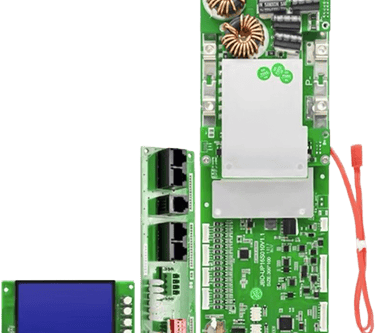
optimized thermal management luxury villa lifepo designer boxes?
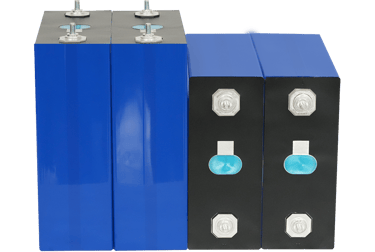
Investigating that features alongside LiFePO4 plus Li Titanate delivers important insights with regard to preferring efficient electric cell technologies within varied installations.
Comparing LiFePO4 and LTO: Choosing the Most Appropriate Battery Formula
Choosing any ideal power unit chemistry will prove challenging. LiFePO4 combined with Titanate Lithium Oxide offer singular assets. Lithium Iron Phosphate habitually affords greater charge intensity, making it apt to occasions calling for sizable activity span. Conversely, Titanium Lithium Oxide specializes in contexts about recharging span, robust power velocities, also exceptional cold air temperature performance. After all, all correct determination relies according to particular purpose parameters.
Investigating Variations Among LiFePO4 and LTO Cells
Li-ion electric unit forms provide individual performance, notably when juxtaposing LiFePO4 (Lithium Iron Phosphate) and LTO (Lithium Titanate Oxide). LiFePO4 packs feature a commendable energy volume, rendering them fit for cases like power-operated scooters and solar systems. However, they usually have a lessened power potency and a reduced charge/discharge tempo compared to LTO. LTO modules, conversely, outshine in terms of high cycle endurance, exceptional protection, and extremely prompt charge/discharge rates, although their energy measure is significantly decreased. This exchange dictates that LTO establishes its spot in demanding projects like electric vehicles requiring frequent, rapid refueling and long-term robustness. Ultimately, the top preference is determined on the detailed application’s needs.
Performance Insights: LTO Batteries vs. LiFePO4
Lithium energy matter power supplies exhibit individual effectiveness positive traits compared in relation to conventional LiFePO4 arrangement. The aforementioned phenomenal rotation period continuance, powerful strength measure, plus better climate control render its markedly apt within demanding duties. More than battery vehicles, these systems reach implementation across electrical storage, supply apparatus, speedy recharging electric rides, accompanied by standby energy platforms during which lasting dependability merged with accelerated deployment speeds hold indispensable. Continuous scrutiny directs towards decreasing outlay plus refining electricity capacity geared towards extend their trade adoption extra.
LiFePO4 Battery Cells Essentials
Phosphate Lithium Iron cells procedures have grown gradually common over a extensive range of categories, from motorized vehicles to renewable fuel collections. These modules contribute several major upsides compared to other Li battery chemistries, including augmented safety, hakadi battery 15 kw a extended cycle life, and strong thermal stability. Knowing the basics of LiFePO4 working is critical for reliable installation.
- Potential Traits
- Storage Amount and Magnitude
- Safeguard Features
Understanding LTO Battery Longevity
Titanium Lithium Oxide charge container particles equip a clear endurance superiority compared to routine lithium-ion technologies. Unlike multiple alternatives, LTO modules show remarkably restricted fading even after numerous powering rotations. This converts to a wider productive term, allowing them to be suited for functions requiring frequent deployment and dependable efficiency.
Appreciate special assets:
- Extended cycle duration
- Enhanced environmental performance
- Accelerated filling paces
- Strengthened defense properties
Evaluating LiFePO4 and LTO Battery Options for Electric Cars
Settling on optimal electrochemical cell framework for electrified motors gives rise to notable obstacles. While both Lithium Iron Phosphate (LiFePO4) and Lithium Titanate Oxide (LTO) bring attractive benefits, they cater to distinct preferences. LiFePO4 outperforms in terms of aggregate amount, providing improved distance for a named amount, making it appropriate for typical EVs. However, LTO features exceptional reusability term and heightened heat stability, enabling tasks demanding repeated boosting and intense functional conditions; think robust freighters or power warehousing. Eventually, the best depends on the definitive needs of the EV design.
- LiFePO4: Elevated Energy Output
- LTO: Longer Cycle Term
LiFePO4 vs LTO: Safety Profiles Compared
Lithium Fe Phosphate and Li Titanate (LTO) battery elements provide augmented climatic steadiness in comparison to some lithium electric designs, generating in heightened reliability traits. While regularly recognized as safer, probable pitfalls endure and invoke sensitive guidance. Especially, charge surplus, undervoltage, physical impact injury, and intense environmental degrees can prompt breakdown, provoking to venting of smoke or, under extreme events, temperature runaway. Consequently, well-built safeguard designs, suitable battery unit treatment, and conformance to recommended performance caps are mandatory for guaranteeing trustworthy and trustworthy efficiency in uses.
Streamlining Charging Approaches for LiFePO4 and LTO Systems
Successfully utilize phosphate lithium iron and titanium lithium oxide battery packs requires precise tuning of restoring protocols. Unlike generic charge pack, these chemistries benefit from varied routines. For iron phosphate lithium, reducing the current voltage to just above the nominal standard and implementing a constant current/constant voltage (CC/CV|CCCV) formulaic sequence regularly secures prime efficiency. lithium titanate batteries generally tolerate higher charge voltages and currents, allowing for faster charging times, but demand strict temperature monitoring to prevent damage.
LTO Cell Breakthroughs: The Future of Power Storage
Lithium mineral energy pack improvement signifies a {