monitoring friendly valve matrix pigging systems for recipe switching?
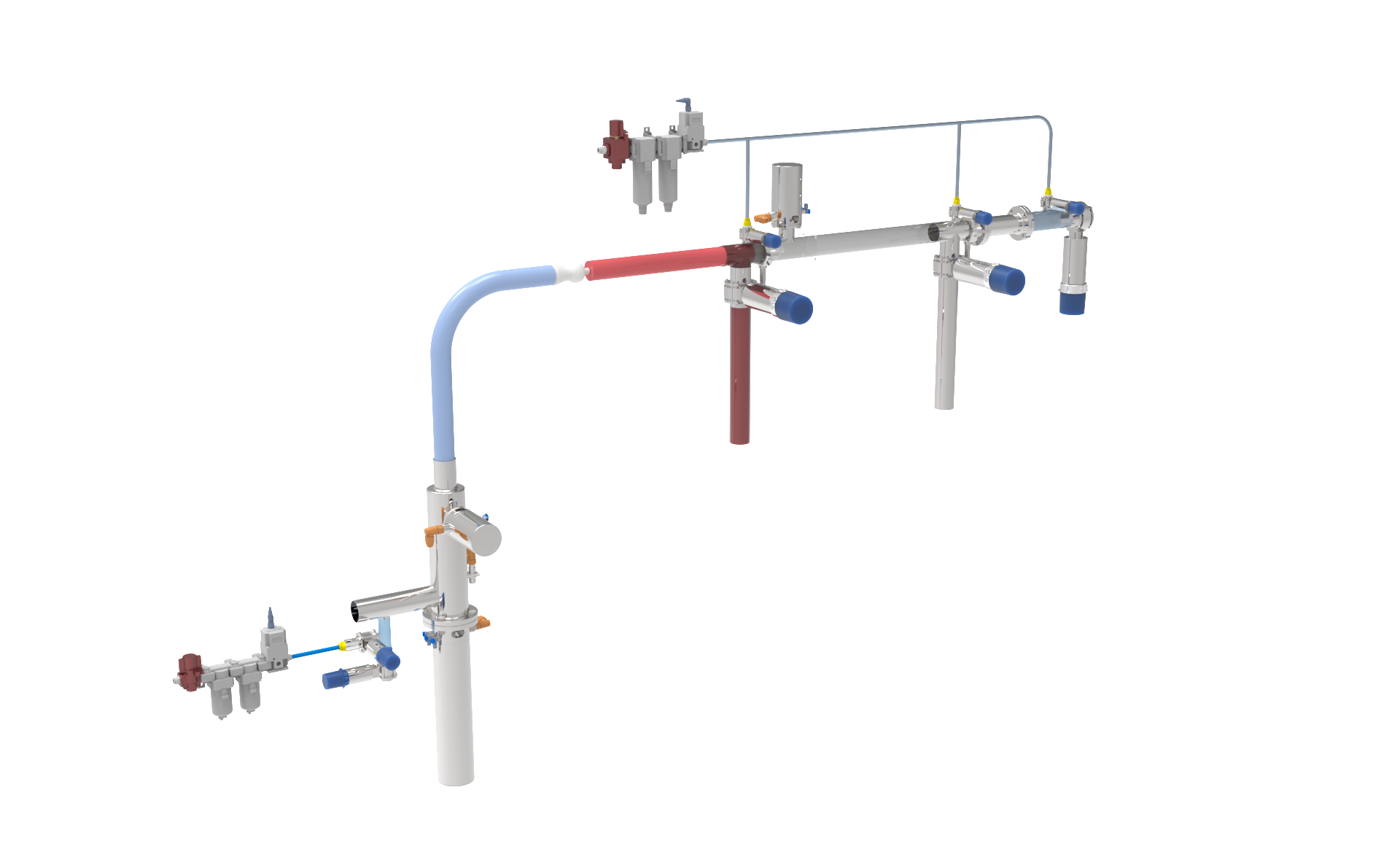
Kicking off pigging systems Cutting-Edge Inspection Tools
Food-Grade Pigging Practices
Utilizing contamination-controlled pigging operations upholds high-quality spotlessness alongside safe processing. Such solutions include durable sanitary metals built to withstanding rigorous cleaning procedures throughout restricting pathogen proliferation.
- Creative configurations incorporate smart hygiene functions, increasing operational efficiency.
- Upholding mandatory guidelines is fundamental for any compliance solution employed in edible goods manufacture. Mechanisms are fabricated to satisfy strong criteria, confirming the highest safety levels.
Maximizing Pipeline Productivity with Pigging Solutions
Fluid transport pigging methods contributes a powerful tool for improving conduit productivity. By deploying intelligent pig launching and strategic testing programs, engineers can lower service interruptions, raise conduit throughput, and maintain fluid channel reliability. Pigging spots potential defects such as hindrances or damage but also enables efficient upkeep and testing approaches. This proactive network oversight notably decreases budget outflows and adds to the complete trustworthiness of pipeline framework.
Pigging Systems in Pet Food Manufacturing: Ensuring Quality and Safety
Pig-based cleaning methods have become crucial components within the pet aliment industry industry. These systems enhance the safe and efficient shipment of ingredients through conduits, limiting pollution risks. By competently distinguishing different ingredients or production lots, pigging systems assist ensure the highest levels of excellence and protection in pet food production.
Furthermore, pigging systems provide a variety of benefits, such as reduced downtime for maintenance and repair, improved operational performance, and minor ingredient spillage. The use of pigging systems conclusively supports the production of safe, nutritious, and repeatable pet food.
Critical Design Elements of Sanitary Pigging in Pet Food
Amid the construction of pet food, sustaining strict hygiene is paramount. Pigging systems carry significant weight in safeguarding product sanitation and performance by carefully disinfecting pipelines between production stages. A well-designed pigging system contains ingredients that curb cross contamination dangers, promote successful decontamination cycles, and mitigate ingredient transfer between batches.
- Incorporating sanitary finishes reduces the potential for infection growth.
- Compounds that are sanitizable and abrasion-resistant are required for maintaining hygiene.
- Secure closures stops the backflow of hazards during sterilizing and processing flow.
Efficient pigging configurations also improve system productivity by shrinking downtime for sanitation. By systematically clearing residues and fending off cross-contamination, these systems assist to a more robust production process, conclusively leading to the assembly of clean and outstanding pet food.
Conduit Sanitation and Monitoring
Conserving the wholeness of tubes is essential for protected and well-functioning flow of inputs. Pigging systems provide a efficient procedure to maintaining pipelines. A pig, also named a pipeline inspection tool, functions as a high-tech device inserted through the pipeline to conduct various processes. Cleaning pigs scrub buildup and contaminants, while inspection pigs are outfitted with mechanisms to detect corrosion in the pipe walls. Regular pigging helps reduce pipeline breakdown, maintaining safe and reliable performance.
- Multiple types of pigs perform, each configured for specific purposes.
- Pigging operations are powerful and can be operated from distance.
- Implementing a pigging program can prolong the durability of pipelines and diminish maintenance costs.
Advanced Pigging Technologies for the Pet Food Industry
Pigging appears as a important strategy in the pet food industry, confirming efficient and sanitary production.
High-tech pigging technologies leverage sophisticated machinery to successfully decontaminate pipelines. This diminishes the risk of intermixing between different pet food mixtures, thereby raising product safety and quality.
As well, advanced pigging mechanisms offer a range of benefits such as: * Enhanced workflow productivity in cleaning procedures * Minimized stoppages and workflow delays * Elevated cleanliness benchmarks * Limited demand for risky chemicals
The adoption of these technologies signifies the pet food industry's commitment to ensuring safe and superior outputs for consumers.
Challenges and Solutions in Pigging Systems for Pet Food Production
Pigging systems are crucial in the pet food production process, affirming efficient handling of products and finished products. However, these systems deal with diverse challenges. One common challenge is blockages caused by mass buildup. Resolving this challenge involves utilizing pigging plans such as adaptable devices and refining ingredient structures.
Another concern is the threat of contamination. Prevent this, strict purification protocols ought to be maintained throughout the pigging system. This includes regular purification of pigging tools and implementation of potent cleaning substances. Regular inspections are also significant to locate potential issues early on. By enforcing these solutions, pet food manufacturers can maintain the efficiency and stability of their pigging systems.
Positive Impacts of Pigging Methods on Pet Food
Cleaning pig devices offer a variety of strengths for pet food manufacturers focused on enhance their production processes. These systems harness pneumatic pressure meant to propel the pig, a cleaning device, through the pipeline, reliably removing product residue and contaminants. Therefore, pigging systems facilitate to superior hygiene standards, shrinking the risk of cross-contamination and providing a safer final product for buyers.
- Additionally, pigging systems can amplify production efficiency by reducing downtime for cleaning and maintenance.
- What's more, they help to curtail waste by limiting product loss during pipeline cleaning.
- Moreover, pigging systems can be built to fulfill the specific requirements of different pet food production lines.
Documented Pigging Benefits in Pet Food Manufacturing
Pet food manufacturing field is advancing in efficient and sanitary processes for securing optimal product quality. Pigging systems have turned into a leading solution to meet these demands, offering a dependable method for cleaning and controlling pipelines within pet food plants.
Numerous case studies reveal the performance of implementing pigging systems in various components of pet food production.
- Manufacturers like [Company A], [Company B], and [Company C] have recorded significant improvements in sanitation, product standard, and overall operational capacity following the adoption of pigging systems.
- Advantages such as reduced downtime for cleaning, curtailed cross-contamination risks, and improved surveillance of product flow have been recognized in these case studies.
Furthermore, pigging systems contribute to greenhouse gas emission reduction by refining resource utilization and minimizing waste generation.
Deciding on the Right Pigging System for Your Pet Food Pipeline
On the subject of maintaining the sanitation standards of your pet food system, a trustworthy pigging system is fundamental. Pigging systems raise efficiency by eradicating product residue and preventing cross-contamination between batches. Selecting the suitable system depends on a variety of considerations, including your capacity, component characteristics, and deployed infrastructure.
- Consider the width of your lines to ensure a appropriate pig design.
- Scrutinize the consistency of your pet food products to decide on the most suitable pig material and pace of operation.
- Highlight systems that incorporate features like automated launching and retrieval for better risk reduction.