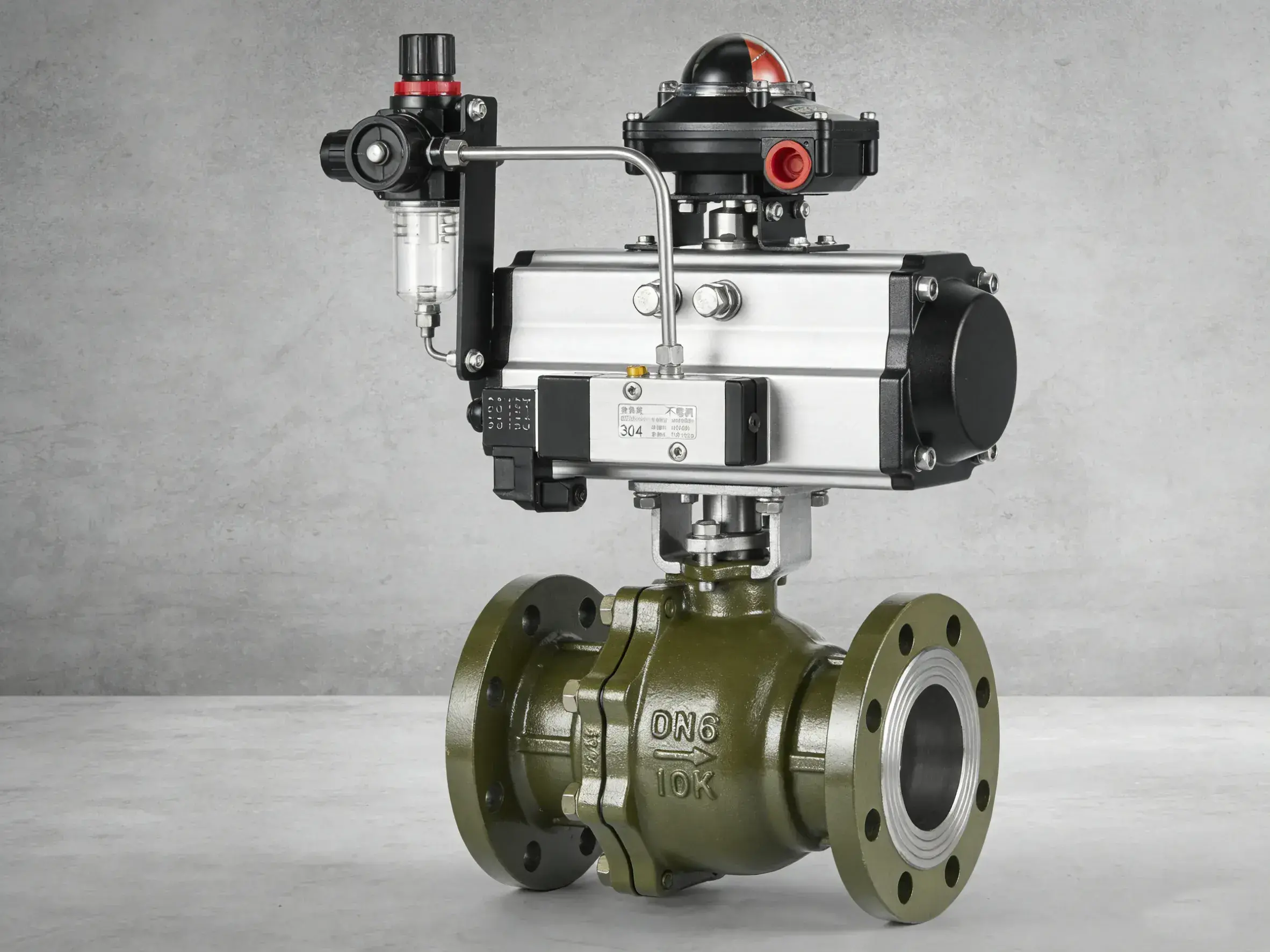
market proven large project butterfly valve ranges?
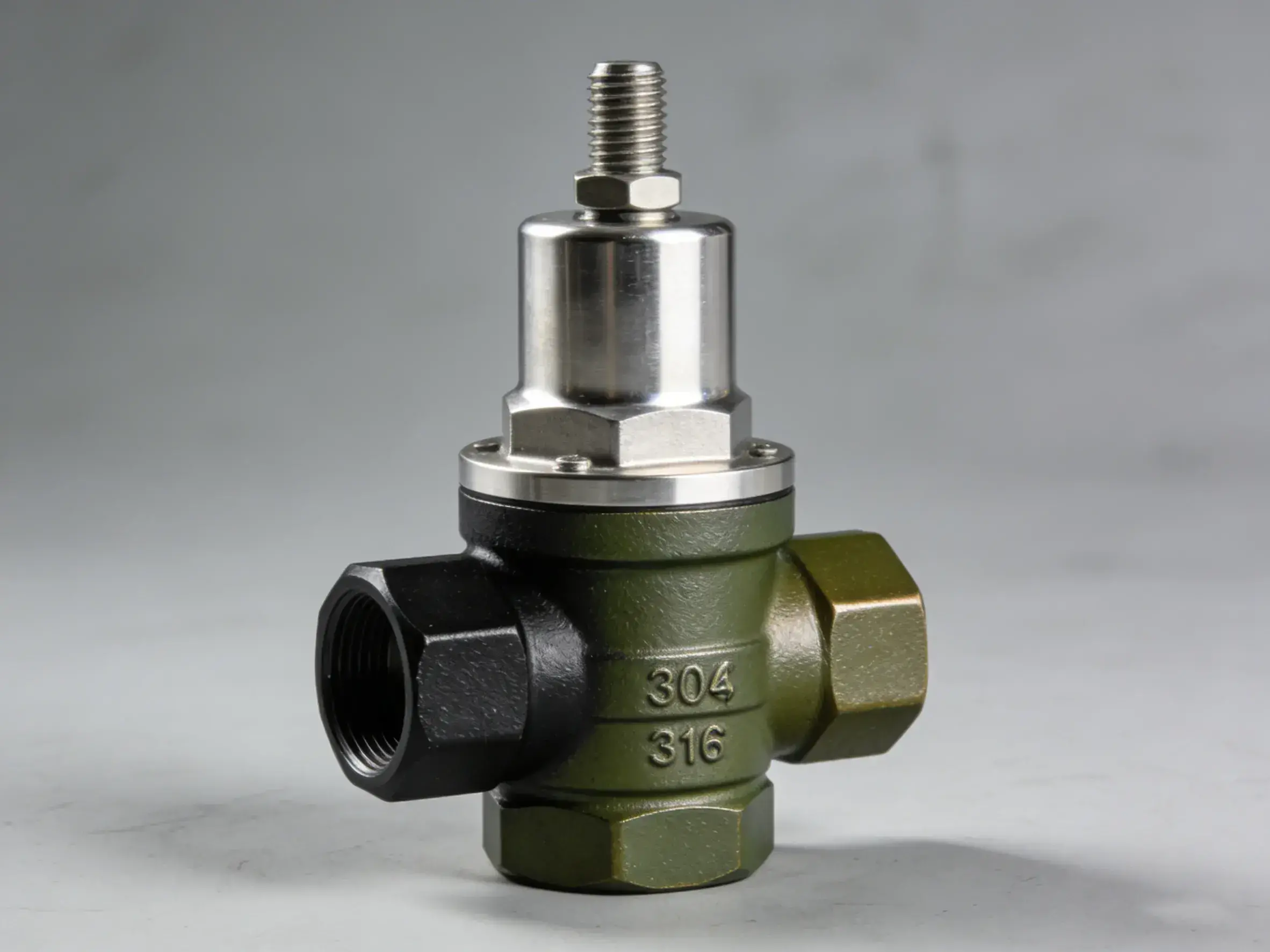
Fundamental choosing industrial valves supports performance enhancement along with system-wide productivity. To warrant excellent operation, it is necessary to scrupulously select valves that correspond to application specifics.
A detailed valve selection manual must evaluate a series of considerations incorporating type of fluid, operational stress, temperature degree, flow momentum, and modulation essentials. Besides, recognizing the required valve drive type like pneumatic, hydraulic, or electric is necessary.
Thorough Analysis of Butterfly Valve Capacities
Figuring out suitable operational metrics for butterfly valves is necessary for analysts striving for efficient system regulation. Study focuses on fundamental components affecting butterfly valve efficacy, embracing constituent traits, application surroundings, and measuring processes. Via detailed evaluation of those factors, the text seeks to offer an extensive comprehension of influences on butterfly valve effectiveness.
- Configuration elements significantly affect comprehensive effectiveness
- Makeup of valve shell intensely affects ruggedness within variable operational settings
- Fluid pressure loss stands as significant parameter for estimating butterfly valve productivity, mainly at boosted throughput levels
Function of Ball Valves under High Load Conditions
Ball valves demonstrate as steady alternatives for operating extreme pressure uses. Their basic scheme involves a spherical piece with an inlet that rotates to manage fluid transit. This build competently controls raised pressure environments because of its secure stoppage.
Across domains like fuel extraction, ball valves undertake a crucial position in overseeing substantial pressure conduits. Their solidity marks them competent to face the load of substantial pressure fluids.
- What’s more, ball valves possess brisk functioning, permitting instant fluid adjustment.
- Presented in multiple constituents and scales, ball valves modify to accommodate specific requirements of various raised pressure operations.
Familiarizing with Different Valve Groups and Their Applications
In fluid science, valves perform a vital function in managing passage of fluids or vapors. Determining fitting valve style is crucial for enhancing system productivity. Valves distinguish through their mode of action, form, and usage pattern. Typical valve categories comprise gate, globe, check, ball, and butterfly varieties. Each category reveals individual traits, fitting them for designated operations. Specifically, gate valves govern flux entirely, but globe valves grant meticulous control of velocity. Check valves block reflux, assuring forward-only passage. Ball valves manifest rapid and reliable toggle operation, while butterfly valves are fruitful for high output applications.
Advancing Fluid Steering by Industrial Valves
Governing fluid transfer represents an important feature in several fabrication processes. Valves are key elements adjusting flow of liquids and gases throughout processes. Engaging apt valve variants united with smart regulation policies facilitates corporations enhancing process functionality, hazard prevention, and product excellence.
A crucial component in advancing fluid governance entails comprehension of different valve purposes. Diverse valve blueprints adjust to tailored flow peculiarities, pressure magnitudes, and application contexts. For example, globe valves tend to be utilized for flow regulation, whereas ball valves prove outstanding in stop-start functions.
Sustaining precise fluid regulation calls for reviewing items like valve sizing, motion methods, and control designs. Using state-of-the-art control methods like programmable logic controllers provides autonomous flux observation and tweaking, elevating system functioning.
Regular maintenance of industrial valves is crucial to prevent failures and maintain optimal flow control. Pinpointing possible troubles early helps curtail expensive breakdowns and assure fluid operation of crucial methods.
Repair Protocols for Plant Valve Mechanisms
Regular maintenance of industrial valves is crucial for ensuring smooth and reliable operation within any industrial setting. A detailed routine must be followed, involving periodic checks to uncover prospective concerns ahead of critical breakdowns. Applying lubricant to valve sections adhering to supplier counsel substantially boosts lifespan and lessens resistance. Moreover, ensuring valves remain free of accumulation helps avoid dysfunctions.
A complete repair program needs integrating detailed documentation of valve-related tasks, involving timing, technicians, and replaced elements. Detailed record maintenance benefits tracking valve efficiency over periods and fosters wise choices for subsequent repairs.
The Role of Automation in Valve Operation
The spread of automation has influenced valve control methodologies broadly. Employing automation technology facilitates better valve oversight, decreasing human interaction and raising operational efficiency. Automatic valve control provides numerous advantages such as improved precision, lowered stoppages, and enhanced security
- Monitoring equipment assumes indispensable parts in electronic valve systems, sharing real-time updates on valve state. Such feedback is analyzed by management units to dynamically modify valve parameters
- Distributed control systems typically operate automated valve mechanisms, promoting sophisticated control tactics. These solutions control valve work, discover complications, and implement remedial fixes
Moreover, automation in valve operation contributes improved process monitoring. Receiving valve performance data helps technicians secure useful intelligence to maximize process functionality and cut expenditures
Critical Safety Protocols for Installing Industrial Valves
In the process of fitting industrial valves on sites, thorough-safe guidelines are necessary. Disregarding safety norms invites risky events, likely resulting in facility destruction and importantly human injuries. A comprehensive hazard survey should be performed prior to installation identifying probable risks and deploying suitable protective protocols.
Ascertain all personnel executing assembly tasks have adequate education and licensing concerning valve usage and safety protocol adherence. Configure a steady plan for ongoing inspections focused on revealing problems or deterioration in valve mechanisms. Preserve comprehensive logs including every assembly, checking, and repair operation for reference purposes
- Conform to necessary corporate measures and ordinances governing valve installation and use
- Apply compatible devices and apparatus tailored for manufacturing valve setup
- Consult thoroughly with all agents linked to the operation to enable secure and effective assembly
Valves: Crucial Elements in the Process Sector
In the detailed territory of processing/production/industry settings, valves operate as key constituents. They serve to regulate the flow of fluids within complex systems, ensuring operational efficiency and safety. Valves get deployed throughout extensive tasks, encompassing supervision of temperature levels and pressures along with product conveyance
- Different valve categories arise, each devised to handle specific duties. Regular examples comprise gate, ball, and globe selections
- Opting for valves accounts for factors like throughput rate, pressure magnitude, heat level, and substance category
- Reliable valve performance is paramount in process settings to prevent disruptions and ensure product quality
Regular inspection of valves is essential for optimizing their lifespan and preventing potential failures
Advanced Materials in Valve Design and Manufacturing
The evolution of valve design and manufacturing is significantly influenced by the continuous exploration of advanced materials. These novel substances offer a range of superior properties compared to traditional alternatives, enabling engineers to create valves that are more efficient. Notable samples feature robust ceramic compounds prized for rigidity under severe applications, alongside featherweight metals that boost output while lowering heft. The implementation of those innovative components produces valves possessing advanced sealing traits, lengthened service time, and raised corrosion protection
Valve Actuation Mechanisms: A Comparative Study
{This investigation delves into the diverse valve actuation mechanisms prevalent in modern engineering applications|This exploration examines the varied valve drive technologies common in contemporary engineering uses|The study analyzes the mixed valve triggering systems typical in current engineering projects|This research evaluates the assorted valve motion methods widespread in advanced engineering scenarios|The survey inspects the multiple valve control techniques existing in up-to-date engineering solutions|This review considers the assorted valve operating mechanisms encountered in present-day engineering environments|This analysis explores the various valve Global Valve Manufacturer activation systems found in progressive engineering implementations|The inquiry scrutinizes the heterogeneous valve act