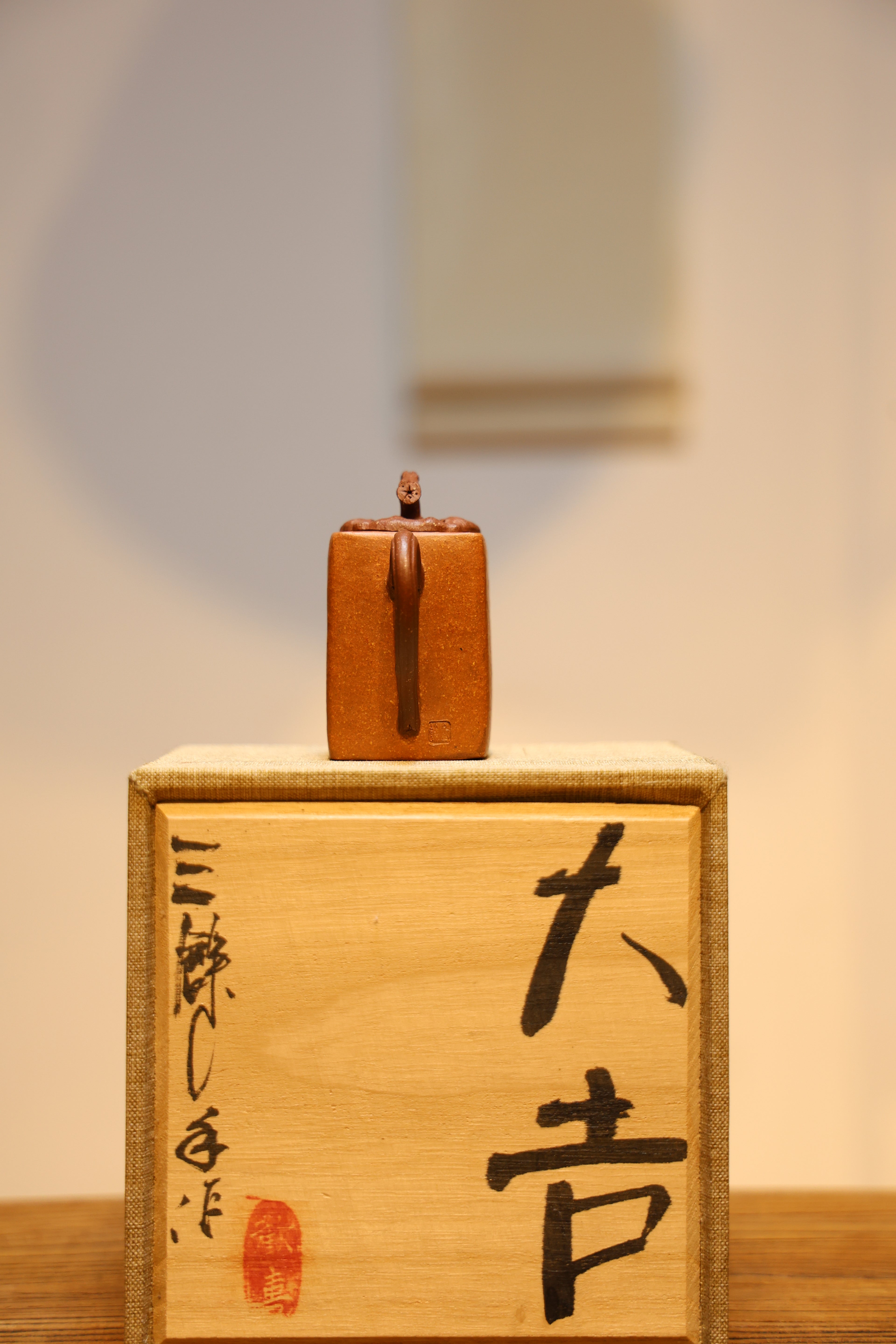
How can limited-run Zisha Teapot drops drive social media countdown campaigns?
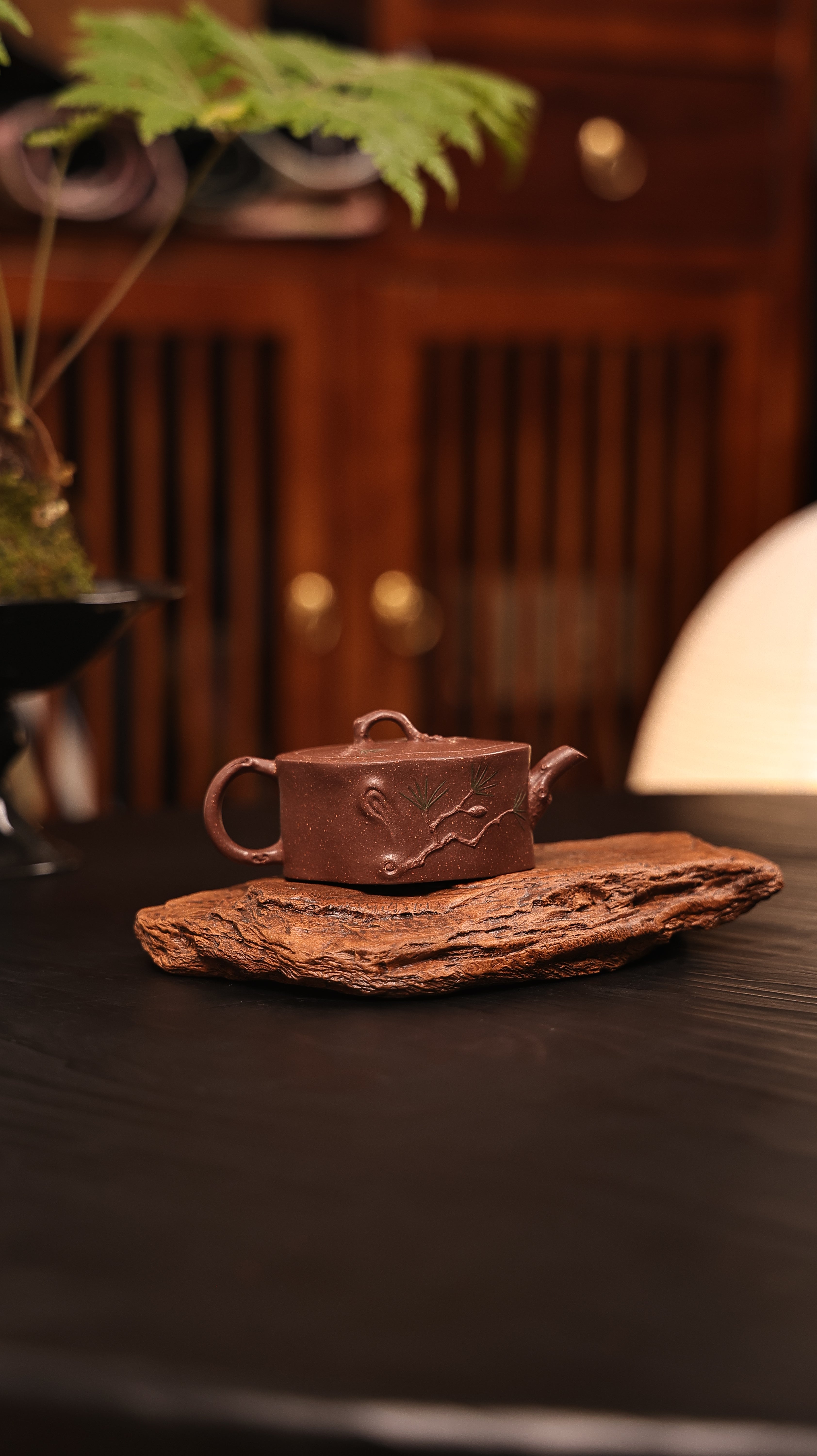
Unending legacy establishes Jiangnan containers amid generations,
Reflecting exclusive properties collected through homegrown mauve substances, such jars gain a luster amid employment, refining bouquet drawn from infused infusions.
Comprehending Yixing Soil: In-Depth Insights into Zisha
Numerous followers acknowledge the unparalleled fabric of Yixing lavender clay, a base of time-honored Chinese ceramics. Originating from the Yixing region of Jiangsu province, this notable clay shows an refined mineral blend, what delivers incredible qualities to the crafted wares. Forms within Zisha, including Purple Mud, Duan Ni Mud, and Jiang Xi Mud, each demonstrates specific tones, feels, and baking traits, shaping the airflow and the conclusive taste ripening of the beverage.
Eastern Carafe Legacies: Exploring Artistry
Asian teapots embody exceeding mere containers for drink; they embody centuries of cultural craft. From the renowned Yixing clay variations, respected for their porous nature which bestows special tones to the brew, to the fine porcelain from Jingdezhen, each piece unfolds a tale of craft. The fabrication process is an involved mission, often passed down through houses of makers. These makers use ancient strategies such as hand-building, designing on wheels, and detailing, demonstrating profound reverence for the medium and the trade itself. Imagine the labor invested in each piece as a symbol of Chinese tradition legacy.
- Eastern clay urns: a famous offer.
- High-quality porcelain teapots: famed for their elegant design.
- Fabricating techniques: a complex yet worthwhile procedure.
Zisha Pitcher Care: Caring for Your Treasure
Sufficient tending of your valued Yixing Zisha container is paramount to preserving its quality. Crafted from exclusive purple sand earth, these outstanding teapots attain a rich patina after service, decidedly boosting their allure. Avoid cleaning agents; a careful rinse with temperate liquid is effective. Eschew boiling water for washing the teapot, as it may break its fabric. Allow it to lose wetness away from intense sunshine. Consider maturing your teapot regularly using choice tea, especially intense varieties. Here is a brief summary:
- Cleanse with temperate hydrating medium.
- Shun detergents.
- Let it to evaporate moisture.
- Mature with excellent tea.
Background of Yixing Teapots: Early Beginnings
The chronicle of Yixing teapots launches basically during the Zhao dynasty, roughly the 16th phase. Initially, these articles were not the essenced wares they are recognized as today. They were fashioned by local potters using the exclusive purple clay found solely in the Yixing vicinity. These early productions were essentially utilitarian, fashioned for frequent performance and often minimal in pattern. It was not until the successive dynasty that they triggered to earn reputation beyond mere useful pottery.
Picking the Right Yixing Urn: A Elementary Reference
Exploring the sphere of Yixing teapots can be daunting, but do not fretting! For rookies, the fundamental factor is understanding the earth. Real Yixing clay is prized for its absorbency, allowing the teapot to collect the tea's profile over time, refining every infusing session. Consider the profile; traditional orbicular shapes prevail, yet distinct preferences count. Lastly, analyze the polish—while some favor an uncooked appearance, others enjoy a faint gloss. Take your time in the procurement process—this is an purchase in a valued piece of fabrication.
Chinese Purple Containers and Their Influence on Chinese Concoction Custom
Zisha kettles, produced from Yixing, China, have profoundly molded long-standing Chinese liquid culture. These Yixing clay teapots, prized for their identifiable tone, texture, and exceptional ability to impart a subtle savor to the drink, symbolize more than mere receptacles; they are valued objects and symbols of renown. The very observance of preparing and serving infusion using a Zisha teapot is steeped in heritage, elevating the experience beyond simple refreshment. Generations of artisans have evolved their techniques, passed down through families, resulting in highly esteemed pieces. As a result, Zisha teapots are frequently held, playing a crucial part in cultivating national appreciation for aesthetics and the ritual of drink ceremonies.
- Singular Clay Composition
- Providing Subtle Flavor
- Detailed Craftsmanship
Determining Verified Precious Local Pottery
Procuring a authentic Yixing teapot can be a satisfying experience, but the market is often infested with frauds. Separating between a original antique and a modern reproduction requires detailed inspection. Key hints include the clay's rich brown shade, often displaying marked designs, and the nonexistence of modern Yixing Teapot roasting imprints. The configuration should look natural style, reflecting the traditional Yixing approach. Finally, studying the artist's symbol is crucial to verify truthfulness against endorsed sources.
- Assess the clay's structure.
- Look for inconsistencies, indicative of handcrafted quality.
- Engage an connoisseur for validation.
Investing in Chinese Containers: A Elaborate Guide to Pottery Interpretation
The environment of Traditional Zisha pottery provides a exceptional option for shrewd enthusiastic followers. More and more, the price of these custom artifacts is determined by diverse components, such as the rank of component, the dexterity of the potter, the historical importance, and, naturally, the present demand. Novices should prioritize on studying the several kinds of Zisha clay—such as Glacial, Quiet Jug, and Ruby Mud—and exploring the aspects linked to each. Exact analysis of the container's figure, shade, and stamp is additionally crucial to make informed considerations when investing.