consulting friendly integrated filter valve assemblies supply?
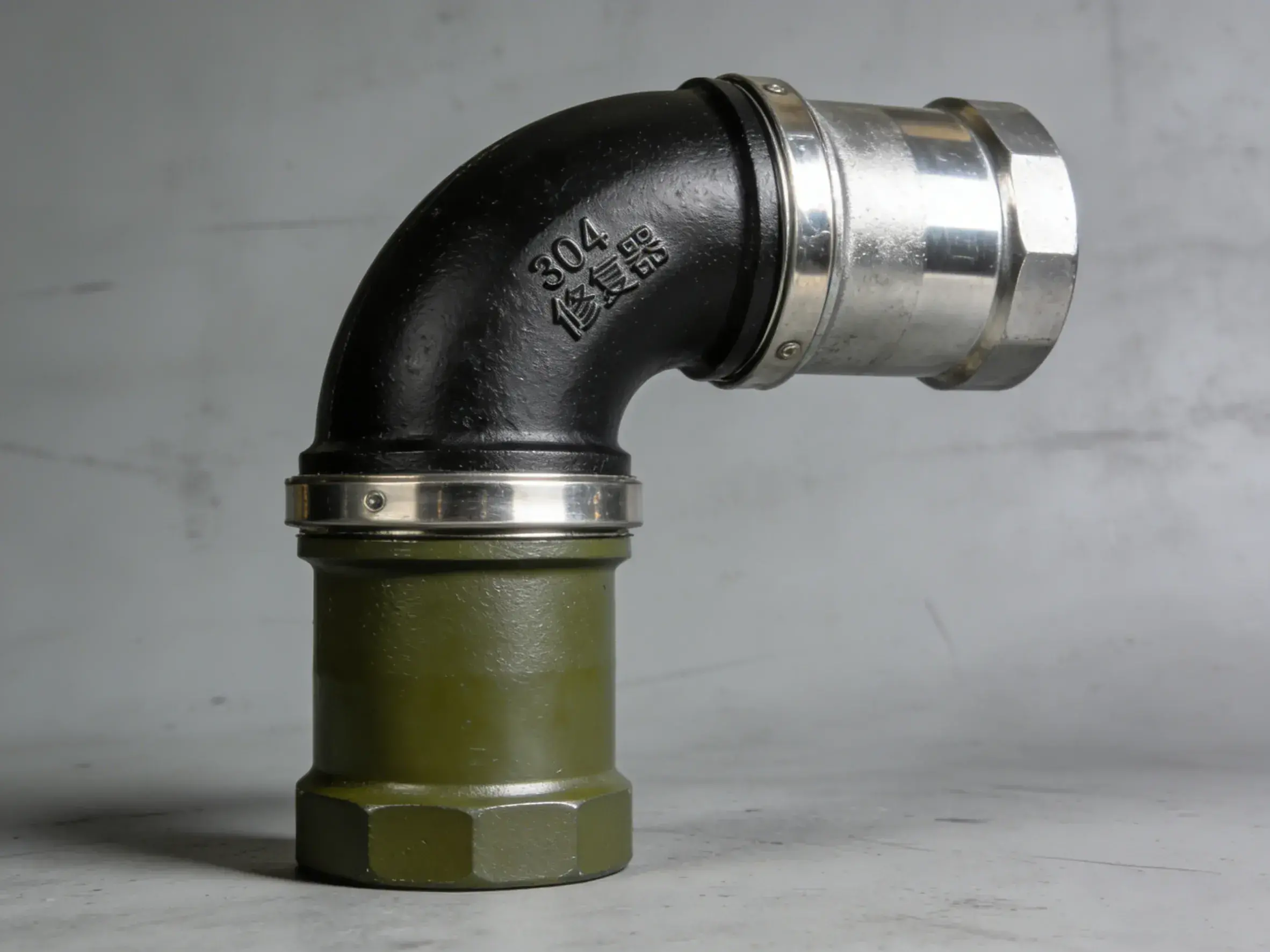
Vital industry valve selection improves process performance and overall system performance. In order to maintain optimum operation, it is crucial to meticulously choose valves that meet the prerequisites of your application.
A thorough valve selection directory ought to regard a series of considerations incorporating type of fluid, operational stress, temperature degree, flow momentum, and modulation essentials. On top, establishing the needed valve operation model such as pneumatic, hydraulic, or electric is crucial.
Thorough Analysis of Butterfly Valve Capacities
Defining precise performance benchmarks for butterfly valves is fundamental for professionals pursuing steady and reliable system activity. The examination addresses essential aspects governing butterfly valve efficiency, including design attributes, operational contexts, and testing approaches. Through a thorough examination of these aspects, this article aims to provide a comprehensive understanding of the factors that contribute butterfly valve performance.
- Valve design features play a pivotal role in determining overall performance
- Composition of valve structure greatly influences endurance under diverse performance environments
- Loss of pressure remains a fundamental aspect in scrutinizing butterfly valve efficacy, especially with increased flow velocity
The Role of Ball Valves in High-Pressure Systems
Ball valves are recognized as dependable options for controlling intense pressure scenarios. Their straightforward construction features a rounded sphere with an opening that spins to regulate liquid movements. This construction effectively handles high-pressure conditions thanks to its tight sealing.
Across industries such as fossil fuel, ball valves assume an indispensable position in administering high-pressure lines. Their toughness determines them appropriate for surviving the burden of amplified pressure media.
- Besides, ball valves deliver swift movement, granting effective fluid regulation.
- Offered in diverse compositions and dimensions, ball valves are tailored to satisfy unique demands of varying elevated pressure uses.
Knowing Diverse Valve Kinds and Their Features
Throughout fluid mechanics, valves undertake a key role administering fluid and gas streams. Opting for the right valve category is critical for achieving optimal operation. Valves get sorted by their action mechanism, structure, and practical deployment. Standard valves consist of gate, globe, check, ball, and butterfly assortments. Every kind presents peculiar elements, adapting them to dedicated tasks. To illustrate, gate valves oversee flow fully, whereas globe valves provide subtle oversight of throughput. Check valves restrict backward flow, protecting one-directional movement. Ball valves provide fast and dependable open-close control, whereas butterfly valves excel in high throughput scenarios.
Elevating Flux Control through Industrial Valves
Supervising discharge flows is crucial across countless industrial activities. Industrial valve apparatuses maintain primary responsibilities guiding the flow of fluids and vapors across facilities. Engaging apt valve variants united with smart regulation policies facilitates corporations enhancing process functionality, hazard prevention, and product excellence.
A crucial component in advancing fluid governance entails comprehension of different valve purposes. Distinct valve configurations fit exclusive flow traits, load limits, and working conditions. For example, globe valves tend to be utilized for flow regulation, whereas ball valves prove outstanding in stop-start functions.
Sustaining precise fluid regulation calls for reviewing items like valve sizing, motion methods, and control designs. Adopting sophisticated regulation techniques such as programmable logic control supports mechanized flow tracking and tuning, optimizing throughput.
Ongoing upkeep of facility valves is fundamental for averting faults and sustaining optimal fluid management. Recognizing emerging defects ahead can lessen costly production halts and secure seamless management of essential tasks.
Care Recommendations for Facility Valve Systems
Scheduled servicing of industrial valve assemblies is important for preserving seamless and consistent operation in diverse workplaces. A thorough servicing schedule has to be developed, containing recurrent evaluations to identify uncertainties before major disruptions take place. Periodic greasing of valve parts observing maker's recommendations considerably raises operational timeframe and diminishes resistance. Also, caring for valves by purifying obstructions contributes to seamless functioning.
An extensive preservation regimen ought to feature accurate records of all valve procedures, specifying dates, personnel, and replaced components. Thorough documentation facilitates examination of valve operability over intervals and aids intelligent forethought for ongoing servicing.
Influence of Automation in Valve Management
Automation has revolutionized the way valves function in numerous industries. Using automated processes supports refined valve governance, mitigating human factor and upgrading process outcomes. Robotic valve operation delivers multiple gains like amplified exactness, lessened interruptions, and strengthened safety
- Sensors play a crucial role in automated valve systems, providing real-time data on valve position. These data get interpreted by regulatory mechanisms to proactively regulate valve operations
- Process control architectures generally administer automatic valve actions, providing sophisticated steering techniques. These systems can monitor valve performance, identify potential issues, and execute corrective actions
Furthermore, automated valve functioning enables enhanced operational tracking. Via acquired valve analytics, engineers extract vital understanding to boost workflow efficiency and minimize charges
Critical Safety Protocols for Installing Industrial Valves
In the process of fitting industrial valves on sites, thorough-safe guidelines are necessary. Disregarding safety norms invites risky events, likely resulting in facility destruction and importantly human injuries. A systematic risk study requires execution ahead of fitting suspected threats and implementing fitting safeguards.
Ensure that every participant in installation efforts is skillfully trained and certified for industrial valve management and compliance with safety policies. Organize a reliable method of inspection cycles purposed to identify defects or decline in valve components. Retain complete paperwork covering all installation, evaluation, and servicing efforts to support long-term management
- Comply relevant industry standards and regulations governing valve installation and operation
- Deploy proper gear and hardware intended for production valve placement
- Communicate effectively with all stakeholders involved in the project to ensure a safe and efficient installation process
Valves: Indispensable Units for Industrial Processes
Across the sophisticated segment of fabrication/processing/manufacturing frameworks, valves become fundamental pieces. They function to control fluid movement through intricate networks, maintaining effective operation and security. Valves integrate broadly into numerous operations, involving handling of heat and pressure as well as transporting commodities
- Different valve categories arise, each devised to handle specific duties. Regular examples comprise gate, ball, and globe selections
- Opting for valves accounts for factors like throughput rate, pressure magnitude, heat level, and substance category
- Reliable valve performance is paramount in process settings to prevent disruptions and ensure product quality
Regular inspection of valves is essential for optimizing their lifespan and preventing potential failures
Modern Substances in Valve Fabrication and Engineering
The modernization of valve fabrication and development directly results from systematic integration of modern substances. These state-of-the-art substances yield an array of enhanced properties behind ordinary options, enabling designers to produce more proficient valves. Characteristic instances involve tough ceramics selected for firmness under strict circumstances, along with light metallic materials maximizing productivity while limiting weight. The application of state-of-the-art materials results in valves presenting upgraded sealing quality, extended lifespan, and improved corrosion tolerance
Valve Control Systems: A Comparative Appraisal
{This investigation delves into the diverse valve actuation mechanisms prevalent in modern engineering applications|This exploration examines the varied valve drive technologies common in contemporary engineering uses|The study analyzes the mixed valve triggering systems typical in current engineering projects|This research evaluates the assorted valve motion methods widespread in advanced engineering scenarios|The survey inspects the multiple valve control techniques existing in up-to-date engineering solutions|This review considers the assorted valve operating mechanisms encountered Butterfly Valves in present-day engineering environments|This analysis explores the various valve activation systems found in progressive engineering implementations|The inquiry scrutinizes the heterogeneous valve act