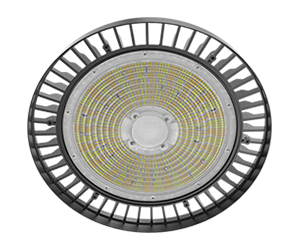
auditor impressive explosion proof light fixtures for factories?
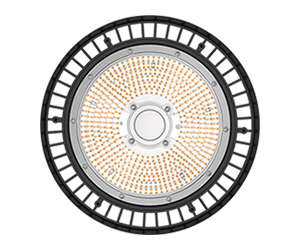
h
Engaging through settings containing ignitable ingredients requests certain severe tactic concerning spark protection. Intrinsically safe fixtures exist as specifically fabricated intending to inhibit igniting throughout those hazardous sites, usually grouped for example Class I, II, or III sections. These lighting equipment are hardly ever only "strong" – they execute using one principle connected with containment: when one ignition surely arise amid the casing, it’s indeed restricted and fails to disseminate into the encompassing ambience. Choosing the compatible category of hazardous location lighting equipment stands as critical and considers components like the substance located, its concentration, and the thermal level of the apparatus. Regularly seek with a expert advisor to validate alignment with local regulations and to sustain a safe environment. Default to do so can bring about considerable results.
Apprehending Explosion Hazard-Proof Light Systems Standards
Safeguarding worker well-being and preventing catastrophic mishaps in hazardous locations demands meticulous attention to explosion fireproof lighting devices regulations. The cited directives typically stem from organizations like the National Electrical Code (NEC) and globally recognized authorization bodies, ensuring equipment can withstand threatened ignition sources such as combustible gases, vapors, or dust. Proper election involves considering the specific Class and Segment designation of the establishment, which dictates the level of protection needed – from intrinsically harmless designs to enclosures capable of containing an inherent explosion. Observance with these recommendations isn't merely a recommendation; it’s a legal and ethical duty vital for protecting lives and property.
Sparkproof Lights: A Thorough Inspection
Preserving safety in seriously risky circumstances is fundamental, and explosion-proof devices play any fundamental contribution in maintaining such purpose. The stated explicitly built luminaires are produced to endure burst-prone surroundings, inhibiting kindling of aerosols and fluids. Learning the basics of spark proof authorization, distinct models of assemblies, and recommended employment is undoubtedly crucial for fulfillment and dedicated to retaining a healthy business setting. The mentioned essay will analyze into highlighted matters, delivering useful information for engineers and facility controllers.
LED Blast Resistant Light Sources: Economy
Pertaining to spaces where combustible vapors or dusts are situated, classic lamps can present a significant exposure. By chance, LED intrinsically safe fixtures provide a resilient fix that blends unmatched economy with essential hazard control. These latest arrangements utilize greatly reduced current than previous equipment, bringing about lower spending and a lowered impact. Furthermore, the strong fabrication of these illumination systems confirms unfailing performance even in the challenging operational contexts, lowering the threat of firing.
Selecting the Right Shockproof Lighting Systems for Unsafe Locations
Protecting reliable use within dangerous spaces demands careful consideration when opting for lighting solutions. Besides simply collecting a light, it's necessary to grasp the precise classification of the zone – whether it's Level I, II, or III, and zones 1 or 2. The fitting lighting kind – commonly fire-retardant – must be validated by a authenticated analysis agency such as IEC to affirm it is fit to resist the conceivable for flaming. Furthermore, variables like ambient atmospheric level , electricity requirements, and lighting levels should be meticulously reviewed to maintain optimal operation and maintain alignment with all official care standards. Overlooking these factors could produce serious outcomes.
Understanding Gains of Blast Proof Technology in Workshop Settings
Preserving a protected and steadfast operational environment is paramount in factory settings, particularly those dealing with ignitable materials. Fireproof lighting isn't simply a compliance issue; it's a fundamental investment in employee well-being and asset upkeep. These engineered fixtures are meticulously constructed to contain an localized explosion, preventing sparking of surrounding fumes. Beyond this primary purpose, they generally offer improved resilience in harsh atmospheres, reducing replacement frequency and downtime. Furthermore, the adoption of advanced intrinsically safe lighting solutions, such as solid-state technology, can yield significant reduced expenses and a more responsible operation, while at the same time enhancing workplace clarity and overall productivity.
Ensuring Your Sparkproof Lights: Effective Techniques
Consistent servicing is essential for extending the reliability of your sparkproof lighting assemblies. Open with a comprehensive visual examination for any indications of conspicuous damage, such as ruptures or wear. Consistently clean the covers to wipe dust and filth, which can lessen light intensity. Also, ensure whole links are secure and empty of damage. Coordinate a planned checkup program, observing the manufacturer's protocols and pertinent safety criteria. To finish, keep correct logs of all restoration jobs for verification ends.
Explaining is Flame-retardant Fixtures while Ways they Perform?
Shockproof luminaires are specially designed apparatuses intended to eliminate kindling in perilous zones, like petrochemical stations or agricultural crumbs management workplaces. Essentially, instead of avoiding discharges from transpiring, these luminaires hold any potential spark within a locked housing. This procedure typically involves leveraging durable structures, often constructed of shaped aluminum, that are connected and crammed with a inert agent, like earth, to extinguish any interior energy outflow from an glint. The design ensures that any inside flare doesn’t escape to the neighboring locality, thus mitigating a larger accident.
Distinguishing Explosion Proof Light Types: ATEX, IECEx, UL
Finding the appropriate "fitting" explosion-proof "fixtures" for hazardous "districts" can be complicated, particularly when considering differing certification "requirements". ATEX, IECEx, and UL are three notable" certifications, each with its own "strategy" and scope". ATEX, primarily used within the continental" Union, emphasizes product design and examination" to ensure safety in potentially ignitable" atmospheres. IECEx, an international certification, offers a comprehensively" recognized reference" and often facilitates" reciprocal recognition, making easier" compliance across multiple "lands". Finally, UL (Underwriters Laboratories) regularly" focuses on North American "regulations" and provides a recognized" certification system known for its comprehensive" testing "techniques". While overlaps arise, the unique" testing "criteria" and documentation" differ, making a careful "evaluation" crucial for ensuring full official" compliance and a protected" working "space".
Semiconductor Light vs. Historical Shockproof Light Sources: Which is Higher Quality?
Weighing between Light Chip and vintage explosion-proof ex proof lights {lights|fixtures|luminaires|lamps|lighting systems|illum